Dry aging fish: Flavor and aging explained
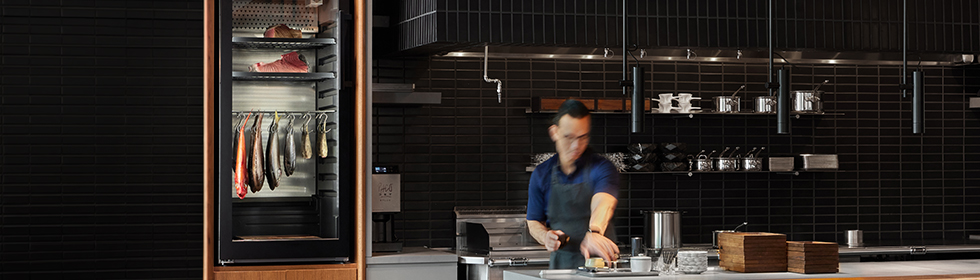
What happens during the aging process and why dry aged fish fascinates with more intense flavors and distinctive texture.
When people think of premium fish, one thing usually comes to mind first: absolute freshness. But in fine dining, a technique has been gaining ground in recent years that expands this traditional view. Dry aging fish shows how controlled aging can take the flavor and texture of high-quality fish to a whole new level.
How does dry aging fish work and what happens during aging?
During dry aging, high-quality fish is matured under precisely controlled conditions. Temperature, humidity and air circulation need to be carefully balanced. As the fish ages, it gradually loses some of its moisture. This concentrates its natural flavors, while the texture becomes firmer and develops a particularly pleasant mouthfeel.
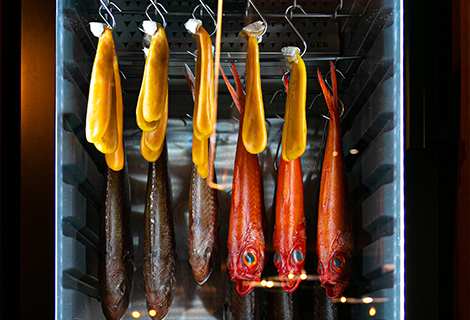
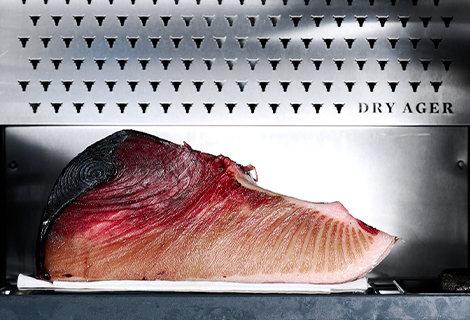
Which fish are suitable for dry aging?
How long the aging process takes depends on the species, size and fat content of the fish. According to DRY AGER recommendations, larger and fattier fish are particularly well suited to this method. The ideal aging time therefore always depends on the individual characteristics of the fish and the desired result.
What does dry aged fish taste like?
Dry aged fish tastes noticeably different from freshly processed fish – and that is exactly what makes it so exciting. The flavors often become more intense, refined and complex, while the flesh develops a pleasantly firm yet juicy texture.
More and more leading chefs around the world are using this technique to unlock the full potential of premium wild-caught fish. Internationally renowned references can also be found at DRY AGER, a pioneer in professional food aging.
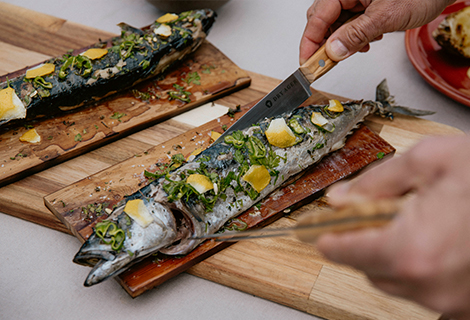
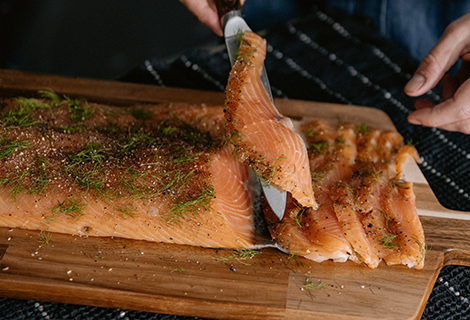
How can dry aging support a more sustainable use of fish?
Dry aging fish can bring together exceptional flavor, refined texture and a more conscious approach to valuable ingredients. Using more of the fish and extending the window in which it can be used can help reduce food waste. This allows high-quality fish to be handled with greater appreciation and used more sustainably.
Why is dry aged fish a trend that is here to stay?
Dry aged fish is increasingly moving from visionary chefs and innovative food labs into modern fine dining. Its appeal lies in more intense aromas, complex flavor and distinctive texture. For restaurants with a strong focus on fish, controlled aging opens up entirely new ways to refine premium ingredients.
Want to dry age fish yourself?
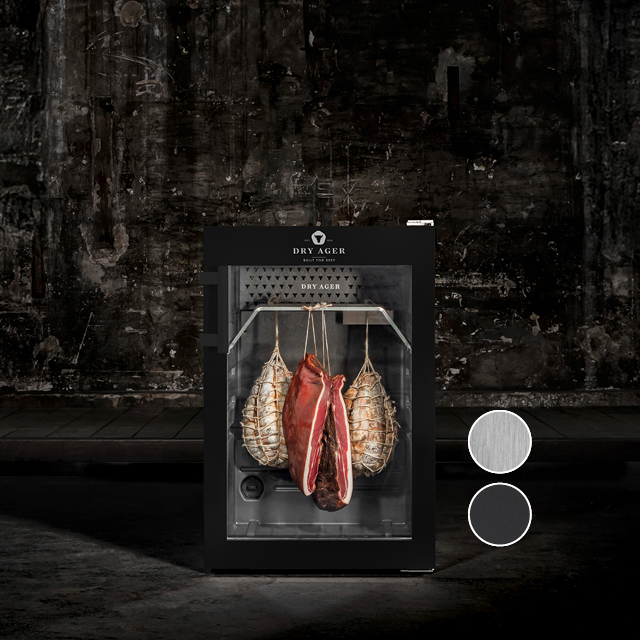
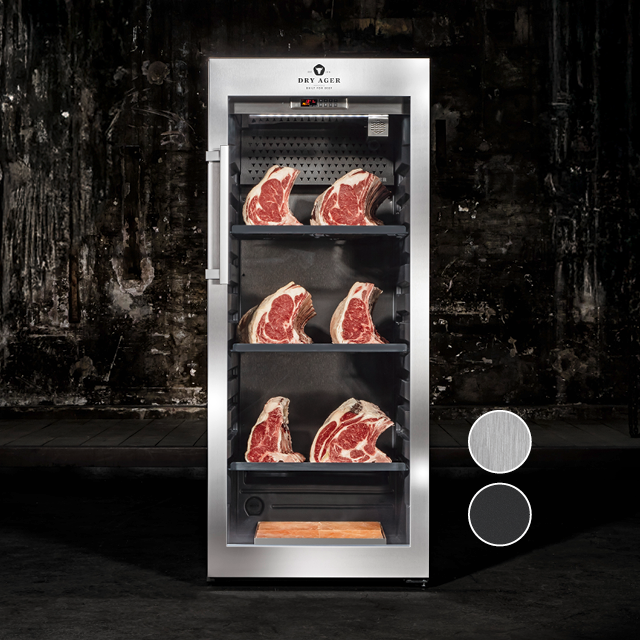
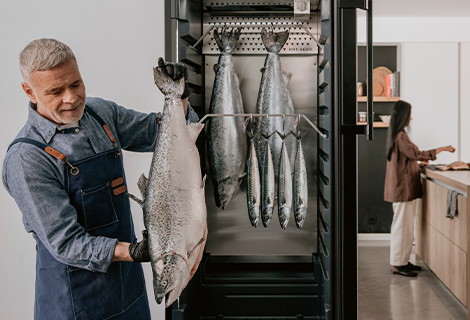
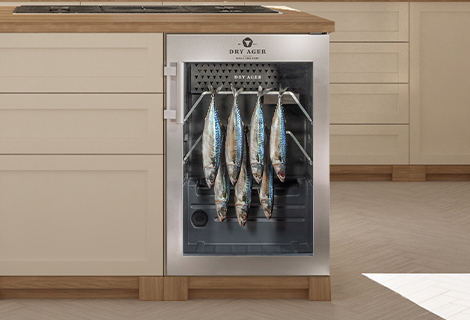
Whether you are starting your first aging projects at home or working with larger quantities for restaurants and professional use, a DRY AGER Dry Aging Fridge creates controlled conditions for fish aging. The compact DX 500 Premium S offers loading capacity of up to 20 kg, while the larger DX 1000 Premium S offers up to 100 kg – both with SmartAging Technology, making aging remarkably simple.
Ready to try dry aged fish yourself?
Ahi Tuna Poke Bowl with dry aged tuna
Want to discover how SmartAging® makes aging easier?
Dry aging at the touch of a button with SmartAging
Still wondering how easy dry aging at home can be?
Dry aging at home
More news and stories on our social media channels.